

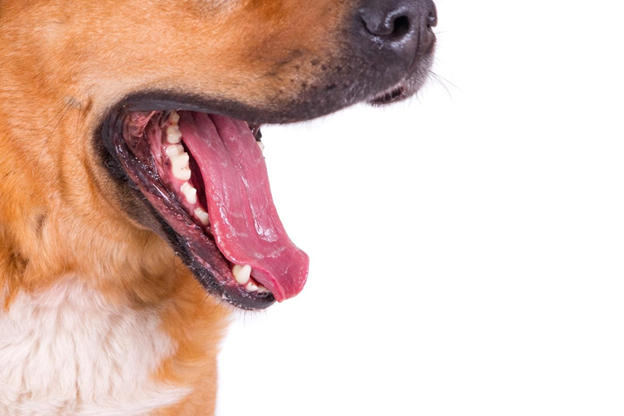
Just like humans, the overall health of a dog also depends on its oral health. In dogs, the dental problems are similar to those in humans, such as tooth decay and tooth loss. Proper dental care for dogs is important because poor oral hygiene leads to painful dental diseases.
Pets aren’t able to tell us their discomfort or pain, so dog owners should look for signs to understand if they are going through pain. If the dogs are having dental pain, they will eat slowly or not eat at all. They will not get excited receiving treats or bones to chew. Proper dental care for dogs will help them enjoy the treats. In this article, we will go through tips every dog owner should know for the proper dental care of dogs.
Dental Care Dogs Importance
People might not realize, but dental care for dogs is very important. Dental care dogs include practices, products, and veterinary services for maintaining canine oral health. It prevents painful dental diseases like gingivitis and periodontitis.
Poor oral hygiene can cause bacteria from infected mouths to enter the bloodstream, which can cause serious organ damage to the heart, kidneys, and liver. Proper dental care for dogs promotes overall health and well-being through daily practices and professional cleaning under anesthesia.
Home Dental Care Tips
Brushing a Dog’s Teeth: It is the most effective yet simple action to prevent plaque buildup.
Use the right products: Always use a soft-bristled, pet-specific toothbrush or a finger brush and enzymatic, pet-safe toothpaste.
Start slowly: Introduce brushing gradually, rewarding your dog with praise and treats to create a positive association. Focus on the cheek-side of the teeth where plaque accumulates most.
Dental Chews: Give your pet special chews and toys that help them scrape away plaque.
Professional Care
Water Additives & Sprays: These can help reduce bacteria and freshen breath, supplementing brushing.
Dental Diets: High-quality food and treats formulated to reduce tartar buildup are beneficial.
Regular check-ups: Schedule annual examination with your vet to catch issues early.
Professional cleaning: If the vet recommends professional cleaning, go for it.
Signs of Dental Disease
The following are physical and behavioral signs that show you should look for in dog dental care:
- Bad breath: It is a common sign of poor oral health.
- Plaque: Yellow buildup on teeth, near the gumline.
- Gingivitis: Red, swollen, or bleeding gums.
- Tooth issues: Loose or broken teeth.
- Face swelling: It means a serious root abscess issue.
- Pawing at the Face: Indicating pain or irritation.
- Difficulty Eating: Dropping food, chewing on one side, preferring soft food.
- Reduced Appetite: Due to painful chewing.
- Irritability: Pain can lead to inactivity or aggression.
Benefits of Dental Care
Prevent Pain: It helps to stop painful periodontal disease, abscesses, and tooth loss.
Protects Organs: Proper dental care prevents infections in vital organs by stopping bacteria from spreading to the heart, kidneys, liver, and lungs
Improves Overall Health: Good oral health means good overall health.
Aids Eating: Healthy teeth help with normal chewing and reduce malnutrition risks.
Reduce Vet Bills: Prevention is better than cure, so treating the dental diseases before they become extreme is important.
