

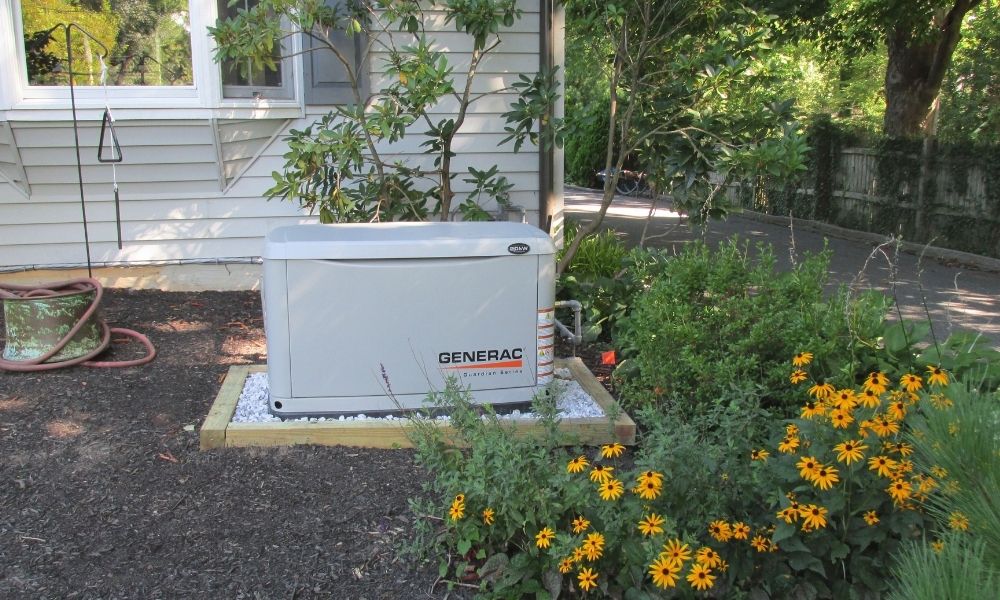
Generator owners view fuel as a primary operational expense during power outages. The rate at which an engine consumes gasoline directly impacts runtime, cost, and logistical planning. A clear grasp of these variables allows for better preparation and more efficient operation.
Many people search for a simple, universal answer about this critical aspect of ownership. The common question, ‘how much gas does a generator use?’ is frequently asked, but there isn’t a single, straightforward answer. Fuel consumption depends on the machine’s size, the electrical load it carries, and its mechanical condition. This article explores the specific elements that determine a generator’s thirst for gasoline.
Generator Size and Rated Output Capacity
The physical size and power rating of a unit establish its baseline fuel consumption range. Larger generators with higher kilowatt outputs possess bigger engines that naturally burn more fuel per hour. A machine’s specification sheet provides a fuel consumption rate at a specific load, usually 50% or 100% of its capacity.
Small portable units for recreational use may consume under a gallon per hour under light loads. Mid-sized home standby models use between two and three gallons hourly at half capacity. Large commercial generators can easily consume multiple gallons each minute during full operation.
Applied Electrical Load Percentage
The actual workload placed on a generator is the most significant variable for immediate fuel use. Running a generator at 100% of its capacity forces the engine to work at maximum output, burning fuel at its highest rate. Operating the same unit at a 50% load typically reduces fuel consumption considerably, though not by half.
The relationship between load and fuel burn is not perfectly linear due to inherent engine inefficiencies at low loads. Powering only a few essential items results in much lower fuel consumption than running a full household. Smart load management during an outage is the most effective way for an owner to control fuel expense.
Engine Type and Efficiency Technology
Modern engine designs incorporate features that improve fuel efficiency compared to older models. Engines with electronic fuel injection maintain a more precise air-to-fuel ratio than traditional carbureted systems. Overhead valve (OHV) engines generally offer better efficiency and longer life than older side-valve designs.
Some premium models even include eco-modes that automatically adjust engine speed based on the immediate electrical demand. These technological advances reduce fuel consumption while providing the same power output. An inverter generator represents a pinnacle of this efficiency for sensitive electronic devices and variable loads.
Maintenance Status and Component Health
A poorly maintained generator will consume excess fuel while delivering subpar performance. Dirty air filters restrict airflow, causing the engine to run with a richer, less efficient fuel mixture. Old spark plugs that misfire waste fuel by failing to ignite the gasoline in a cylinder completely.
Using the wrong oil viscosity or neglecting oil changes increases internal engine friction. This friction makes the engine work harder, which directly translates to higher fuel use for the same power output. Regular, simple maintenance is a proven method for keeping fuel consumption within the manufacturer’s specified range.
Ambient Temperature and Operational Altitude
Environmental conditions physically affect engine performance and its corresponding need for fuel. Cold air is denser than warm air, which typically allows for more efficient combustion in a gasoline engine. However, extremely cold temperatures can thicken oil and make the engine harder to start and run.
High altitudes with thin air reduce engine power output because of lower oxygen levels. The generator may consume a similar amount of fuel at altitude but produce less actual electrical power as a result. These external factors are overlooked but play a real role in total fuel economy during operation.
Fuel consumption is a dynamic calculation rather than a static figure for any generator. Engine technology and environmental conditions further refine this fuel consumption rate. Savvy owners who understand these variables can better answer the question “how much gas does a generator use?“ for their specific situation. This knowledge supports effective emergency planning and cost management.
