

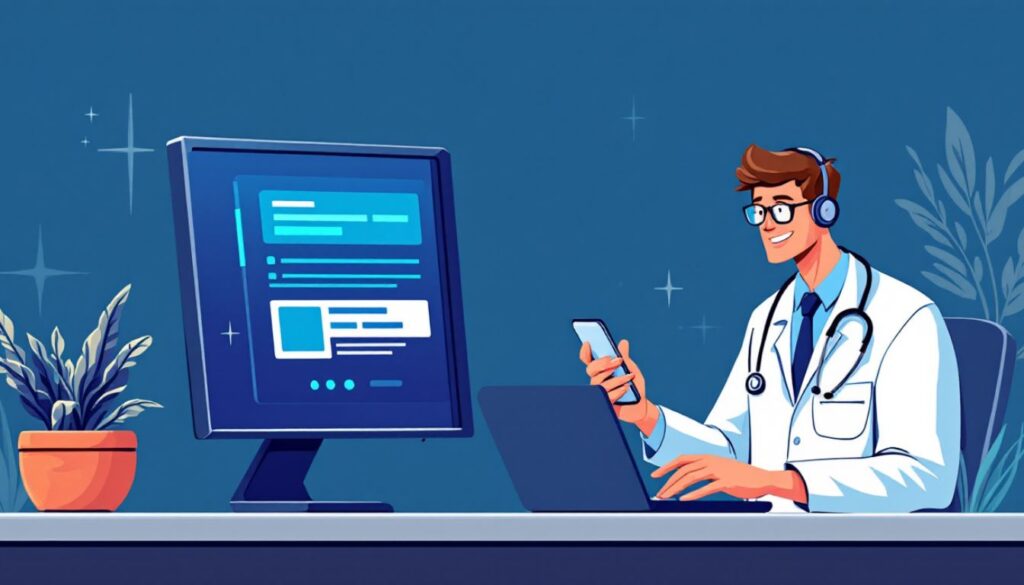
Care coordination between virtual and in-person healthcare facilities happens through integrated systems that allow smooth patient transitions. online doctors communicate with physical clinics using secure channels to maintain treatment continuity when patients need face-to-face medical services. This collaboration gives patients comprehensive care no matter which consultation format they use. Digital platforms connect remote practitioners with local healthcare facilities, creating unified treatment approaches that address immediate and ongoing medical needs.
Shared record access
Electronic health records form a central store where virtual and physical healthcare providers can view patient information. When a virtual consultation shows conditions that need direct examination, practitioners send the needed medical history to local clinics before the visit takes place. NextClinic keep secure databases that approved healthcare facilities can use to view diagnostic results, prescription history, and treatment notes from earlier consultations. This shared access removes repeated testing. Physical clinic staff can get ready for patient visits using complete background information. Real time updates make sure any change during physical examinations appears in digital records. Virtual practitioners can then adjust treatment plans based on new findings from clinic visits.
Emergency protocol handoffs
Structured escalation procedures guide transitions when virtual consultations reveal conditions needing immediate physical intervention. Virtual practitioners follow standardized protocols that decide which symptoms need direct hospital referrals versus scheduled clinic appointments.
- Contact information for local emergency departments shows up automatically based on patient location data during video consultations.
- Transfer documentation has vital signs collected during virtual assessments, symptom timelines, and preliminary working diagnoses.
- Direct phone communication happens between virtual practitioners and emergency department staff for critical cases needing immediate attention.
- Ambulance dispatch protocols work with telehealth platforms when practitioners spot life-threatening conditions during remote consultations.
These escalation pathways make sure serious medical situations get appropriate responses. Communication barriers between virtual and physical healthcare environments don’t cause delays.
Medication tracking methods
Prescription coordination systems sync medication records between telehealth platforms and community pharmacies where patients go for prescription fulfilment. Virtual practitioners check pharmacy dispensing records to confirm patients actually got prescribed medications. They can also spot potential compliance issues. Physical clinics reviewing patients after virtual consultations see complete medication lists that have both in-person and telehealth prescriptions. Allergy alerts and drug interaction warnings show up across both systems to stop dangerous prescription combinations. Refill requests started through virtual platforms send notifications to patients’ regular pharmacies. Medication access stays consistent no matter where prescriptions come from.
Follow-up appointment bridges
- Scheduled review systems create smooth transitions between initial virtual consultations and later physical clinic visits when treatment plans need both consultation types.
- Automated scheduling tools book physical clinic appointments right from telehealth platforms based on practitioner recommendations.
- Reminder notifications sent through multiple channels make sure patients attend both virtual check-ins and in-person examinations, as treatment protocols require
- Progress notes from virtual follow-ups inform physical clinic visits, while examination findings from clinics guide virtual practitioners in adjusting remote care strategies.
- Treatment outcome tracking covers both consultation formats to create full health improvement assessments.
- This two-way communication keeps care quality high whether patients consult virtually or visit physical locations.
Coordination between virtual practitioners and physical clinics works through connected systems that focus on patient care continuity. Shared digital infrastructure allows information flow that supports clinical decision-making across both healthcare delivery formats. Structured referral processes, emergency protocols, and medication tracking create safety nets protecting patients during care transitions. These collaborative frameworks make sure telehealth consultations work alongside traditional clinic-based care rather than operating separately from it.RetryClaude can make mistakes. Please double-check responses.
