

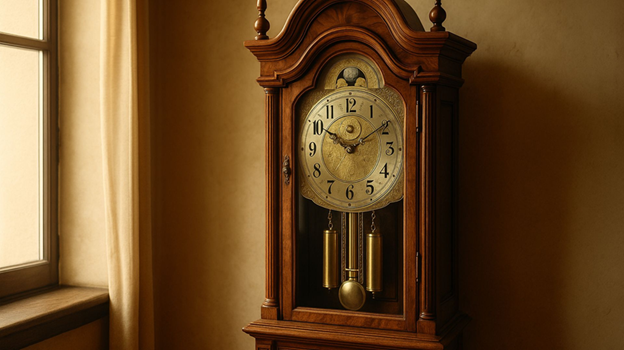
Antique grandfather clocks are more than just timepieces; they are treasured pieces of history and craftsmanship. These clocks, often passed down through generations, combine delicate mechanisms with elegant designs. To ensure they continue to function accurately and retain their beauty, regular maintenance is essential. Routine care helps prevent damage, keeps the clock running on time, and preserves its long-term value. One of the most effective ways to protect your antique clock is through routine antique grandfather clock servicing.
Understanding the Importance of Regular Servicing
Routine servicing of a grandfather clock ensures that all parts are functioning correctly. Over time, dust and debris can accumulate inside the clock, causing wear and tear on its delicate gears and moving components. Even a well-crafted clock can begin to lose accuracy if it is not cleaned and maintained properly. Regular servicing allows a professional to inspect each component, make necessary adjustments, and prevent potential issues before they become serious problems.
A grandfather clock is a mechanical system that relies on precise timing. Small changes in the movement of gears or pendulums can lead to incorrect timekeeping. Through routine antique grandfather clock servicing, technicians can adjust the pendulum, check the weights, and lubricate moving parts, ensuring that the clock continues to operate smoothly. This preventive care reduces the risk of costly repairs in the future.
Cleaning and Lubrication
One of the key aspects of routine antique grandfather clock servicing is cleaning and lubrication. Dust and old lubricants can build up over time, slowing down the clock’s movement and creating friction that wears down components. A professional clock technician carefully disassembles parts of the clock, cleans them, and applies the correct type of oil to keep the mechanism moving freely. This process helps maintain the clock’s accuracy and extends the life of its internal components.
In addition to mechanical care, cleaning the exterior of the clock is equally important. Wooden cases, brass details, and glass panels require gentle cleaning to preserve the clock’s aesthetic appeal. Regular attention to both the inner workings and the exterior keeps the clock looking and functioning at its best.
Adjustments and Repairs
Even with careful use, antique clocks may need minor adjustments over time. Changes in humidity, temperature, and location can affect the clock’s movement. Routine antique grandfather clock servicing allows technicians to identify and correct these issues. Adjustments to the pendulum length, chime settings, and weight alignment help maintain proper timekeeping and ensure the chimes sound correctly.
If any components are worn or damaged, regular servicing makes it possible to repair or replace them before they cause more significant problems. Timely repairs preserve the value of the clock and prevent further damage to other parts of the mechanism.
Protecting Your Investment
An antique grandfather clock is often a valuable investment, both financially and sentimentally. Routine maintenance protects this investment by keeping the clock in excellent working condition and preserving its historical value. Neglecting regular servicing can lead to mechanical failures, which may be difficult and expensive to fix. By scheduling regular servicing, owners ensure their clocks remain accurate, reliable, and visually appealing for years to come.
Peace of Mind
Knowing that your clock is professionally maintained provides peace of mind. Owners can enjoy the charm and beauty of their antique timepiece without worrying about sudden breakdowns or irreversible damage. A well-maintained clock also becomes a family heirloom that can be passed down safely through generations, continuing to tell time and carry stories of the past.
Conclusion
Routine antique grandfather clock servicing is essential for keeping these cherished timepieces running smoothly. Regular maintenance, including cleaning, lubrication, adjustments, and minor repairs, ensures accurate timekeeping and protects the clock’s delicate components. By investing in professional servicing, owners safeguard the clock’s value, appearance, and functionality. Taking the time to care for an antique grandfather clock is not just about preserving a piece of history—it is about ensuring that it continues to bring elegance and reliability to your home for generations to come.
