

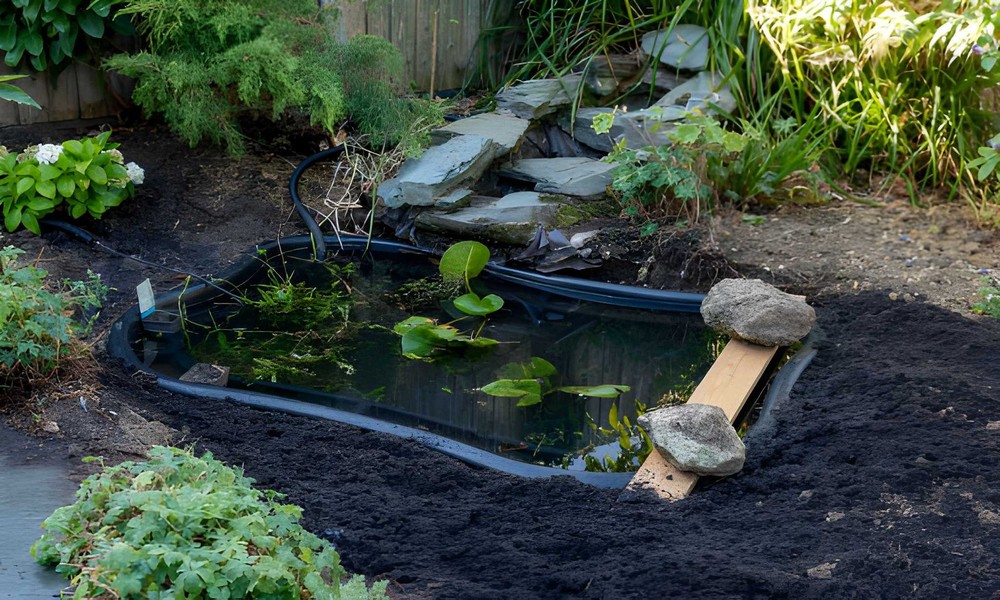
So, you have decided on fibreglass. Good move, honestly. After years of patching liner leaks and worrying about roots, I finally switched. Best thing I did. But the process? Not simple. Not quick. Stinky too. But done right? You forget about your pond for decades. No leaks. No stress. Just clear water and happy fish.
But location matters. Finding reliable locals was key. There is a company, That Pond Guy, that covers Kent pond fibreglassing specifically. They know the area, the weather, all of it. Watching their process made me realise how much I would mess up DIY. They prep properly. Every time. Worth knowing if you are in the region.
First, Prep Is Everything
You cannot fibreglass over dirt. Fails every time. Bubbles. Peels. Waste of money.
Here is the real deal:
- Empty it. Pump every drop. Then you see reality. All that sludge at the bottom? Shovel it out. The smell is intense, earthy, like wet leaves and fish. Your garden will love it, though.
- Pressure wash everything. Every inch. Algae, dirt, and old residue must all go. The shell needs to be absolutely clean for resin to bond. I spent hours doing this. Arms ached.
- Let it dry. Bone dry. Takes longer than you think. I waited three sunny days and still found damp patches. Needs to be perfect.
- Fill any holes. Gaps in concrete? Old liner edges? Patch them first. Fibreglass needs a smooth, solid base.
The Sticky, Smelly Bit
Now the actual work. Intense stuff.
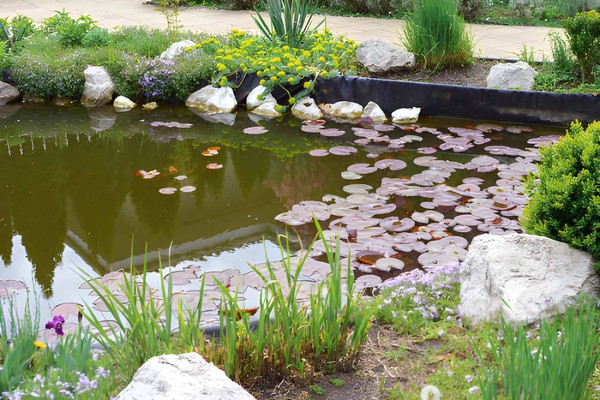
- First layer: resin. Roll on liquid resin. Sticky, runny, strong smell. Like chemical sharp. Need a proper mask, not just a cloth. Open windows if indoors.
- Lay the matting. While the resin is wet, press on glass fibre sheets. This stuff is itchy. Wear gloves, cover arms. Frays at edges. Little glass bits get everywhere. Itch for days if careless.
- More resin. Another coat over matting. Press it down. Work out air bubbles. Use a roller with spikes, which forces resin through matting. Air bubbles are enemies. They become weak spots later.
- Let it cure. Then repeat. Usually two- or three-layer total. Each needs to harden before the next. Waiting is hard but necessary.
The smell lingers for days. My whole garden smelled like a boat repair shop for a week. The fish stayed in the temporary tank longer than planned. Probably overcautious, but better safe.
Final Smooth Layer
The last coat is different. Topcoat resin, sometimes with colour pigment if you want something other than a greenish fibreglass look. I went grey. Looks natural, hides algae a bit.
Roll it on super smooth. No matting now, just resin. It flows, self-levels if done right. Satisfying bit. Watching it becomes a perfect, glossy shell. Like a giant smooth bowl. No seams. No folds. Nothing for roots to find. Beautiful honestly.
Then Refill
Wait 24 hours for curing. Refill slowly. No oily sheen? Good. Plants back. Fish acclimatised. Done. Exhausting work, but never patching again is worth it. Something else will break eventually, though.
