

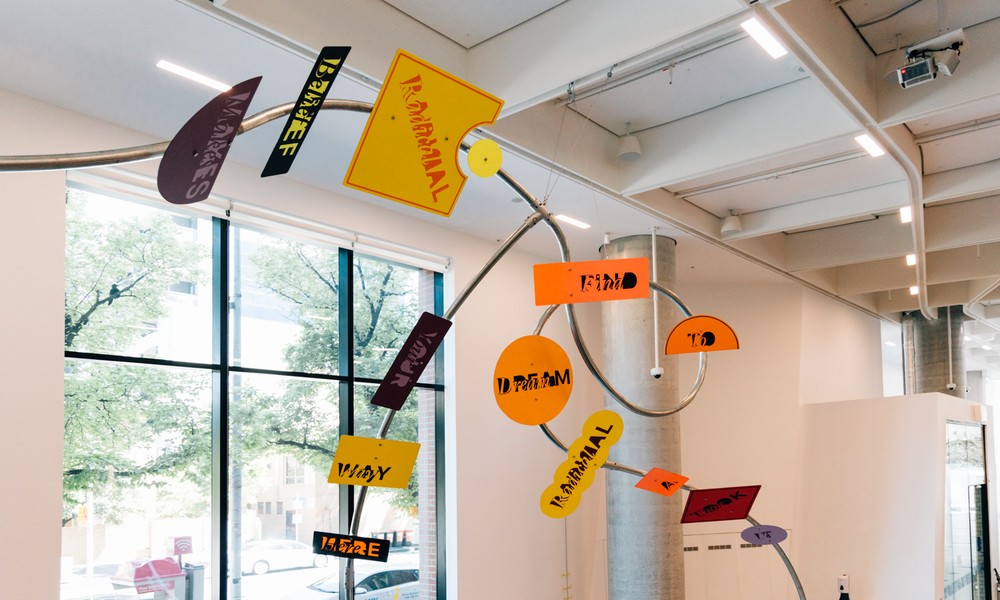
Design is not mere decoration. It affects the movement, the sense and perception of a space by individuals. It is typical in the design firms to blend two or more disciplines in order to produce meaningful environments. The simplest way to make custom art curation and spatial planning work well is when they complement one another.
Understand how custom art curation and design firms work together
The role of custom art curation in designed spaces
Custom art curation assigns identity to a space. It is the expression of the purpose, values and story in visual features. Design firms make emotional links by the use of curated art. These are aspects that have to be situated and experienced deliberately.
What wayfinding design means in creative environments
Wayfinding design LA assists individuals in knowing their position as well as direction. It also frames the experience of people in creative spaces. Visual cues, layout and signage are a few of the tools employed by design firms to direct movement. These aspects can facilitate artistic narration.
The ways wayfinding design improves curated art experiences:
- Guided movement -Wayfinding features the elements are developed to guide individuals through the spaces in such a way that curated artworks are experienced in a designed and purposeful order.
- Visual hierarchy -Visual hierarchy declares all disorientation in the way that the artwork is highlighted instead of fighting with messy layouts.
- Story alignment -Directional cues and art may combine to give themes and stories life throughout a space.
- Pause creation -Wayfinding design may decelerate the movement around important pieces of art, making people stop and pay attention.
- Clarity of purpose – When artists know where they are moving to, they experience a purposeful art instead of a chance art.
How design firms integrate art and wayfinding
Design firms take up projects as a whole. Planning of art and wayfinding has been included in the design and not as an addition. This assimilation serves as a consistency factor. It further makes visual language to be integrated throughout the space.
To integrate art and navigation, steps design firms do it by taking these steps:
- Concept development -The art themes and the navigation intentions are developed jointly to imply a single direction of design.
- Spatial planning- Floor plans are made in a way that artwork follows the direction of movement.
- Prototype testing – Mockups will allow verification of the fact that navigation does not distort but contributes to the viewing of curated art.
- Final installation -Art and wayfinding elements are always installed as a single system.
Why wayfinding design matters for art focused spaces
Art no longer works when individuals get disoriented. They have easy navigation that enables the visitor to concentrate on what they see. Wayfinding design eliminates uncertainties. This provides a serene atmosphere in which art will be able to communicate.
Wayfinding design has the following advantages to curated art:
- Reduced confusion -One feels that there is some direction and therefore does not become lost and frustrated which would probably defeat the enjoyment of the art.
- Stronger storytelling -Art and navigation support the message of each other.
- Consistent identity – The elements of the coherent design strengthen the brand and space identity.
- Accessibility support -Wayfinding aids in the equal experience of all users to curated art.
Summary
Wayfinding design is a design that is adequate in supporting customized art curation. It directs motion as it defends aesthetic influence. Firms that combine the two come up with spaces that are easy to understand, interact with and have a purpose. The most important thing in design is balance.
