

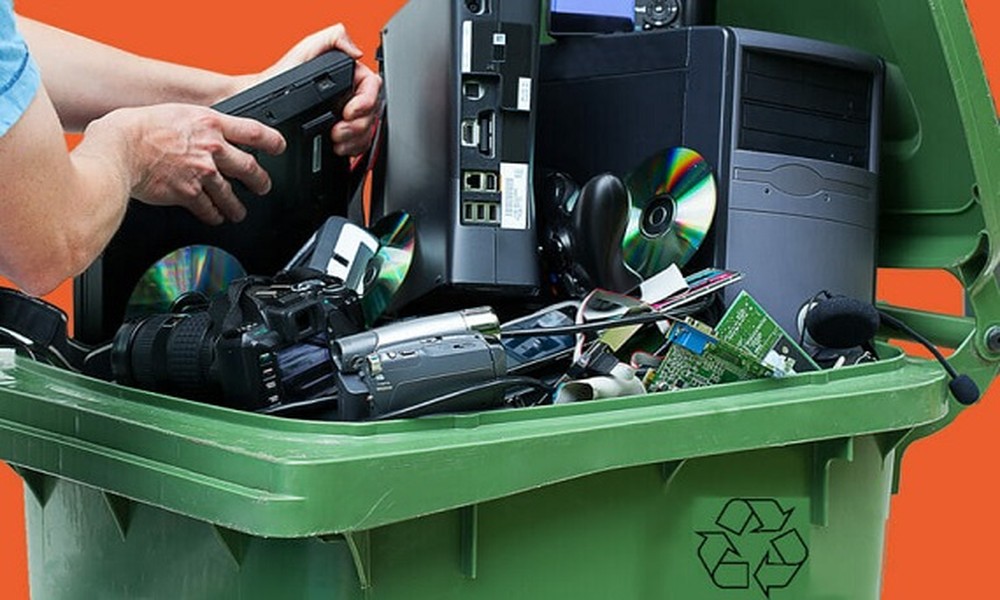
Upcycling electronics begins with a simple observation: the smartphone sitting in your drawer, the laptop gathering dust in your cupboard, and the tablet your child abandoned for a newer model all represent more than just outdated technology. They are repositories of precious metals, functional components, and untapped potential. In Singapore, where approximately 60,000 tonnes of electronic waste are generated each year, these discarded devices tell a story about consumption, waste, and the hidden costs of our digital lives. But they also offer us a chance to write a different ending.
The True Cost of Throwing Away
Walk through any housing estate in Singapore and you will find them: the bins overflowing with electronics, the collection points stacked with devices that once cost someone a month’s salary. Behind each discarded item lies a chain of extraction, manufacturing, and transport that stretches across continents. Rare earth minerals mined in conditions we would rather not think about. Factory workers assembling components in shifts that blur into one another. Ships carrying finished products across oceans. All of this effort, all of these resources, ending up as waste.
The environmental toll is staggering. Electronic waste contains lead, mercury, and cadmium, substances that leach into soil and water when improperly disposed of. Yet these same devices also contain gold, silver, and copper worth recovering. Upcycling old electronics sidesteps this entire problem by keeping devices in use, transforming them from waste into assets without the energy costs of industrial recycling.
What Ordinary People Can Do
You do not need technical expertise to participate in electronic upcycling. The barrier to entry is lower than you might think. That old smartphone, for instance, can find new purpose in ways that require nothing more than a bit of imagination:
- Transform it into a baby monitor using free applications
- Mount it as a dashboard camera in your vehicle
- Use it as a dedicated e-reader for your favourite books
- Turn it into a digital cookbook in your kitchen
- Repurpose it as a security camera for your home
One woman in Tampines converted her deceased father’s old tablet into a digital memorial, loading it with photographs and videos of him. She mounted it in her living room where family members could scroll through memories. The device, nearly six years old and considered worthless by retail standards, became priceless.
Learning to See Differently
The practice of upcycling electronics devices asks us to shift our perspective. We live in a society that equates newness with value, that encourages us to discard and replace rather than repair and reuse. But this mindset comes at a cost, one borne disproportionately by communities far from our shores where e-waste often ends up, and by future generations who will inherit the consequences of our disposability.
In community centres across Singapore, residents gather for workshops on electronics repair and repurposing. These sessions do more than teach technical skills. They challenge the notion that ordinary people cannot understand or fix their own devices. A retired accountant learns to replace a laptop battery. A student discovers how to install alternative operating systems on old computers. A domestic worker figures out how to convert a broken tablet into a functional clock and weather display.
Practical Projects for Every Skill Level
For those ready to move beyond basic repurposing, upcycling tech items offers endless possibilities. Old computer hard drives become external storage with the addition of an inexpensive enclosure. Laptop screens, salvaged from otherwise broken machines, transform into secondary monitors. Even non-functional devices yield useful components: magnets from speakers, circuit boards for art projects, cases for storage solutions.
The process need not be complex. One father and son in Bedok spent weekends converting old gaming consoles into retro gaming systems, creating something they could enjoy together whilst teaching valuable lessons about resourcefulness and sustainability. The financial investment was minimal. The return, in terms of time spent together and skills learned, was immeasurable.
Building Community Through Shared Knowledge
What strikes you most about electronic device upcycling in Singapore is how it brings people together. Makerspaces and repair cafes have created networks of individuals willing to share knowledge freely. Someone who knows how to solder teaches someone who knows how to code. Skills that were once hoarded become common property. In these spaces, the false divide between those who understand technology and those who merely consume it begins to dissolve.
Libraries now loan out tools alongside books. Community groups organize collection drives not for disposal but for redistribution and repurposing. Schools incorporate electronics projects into their curricula, showing students that the devices they use daily are not mysterious black boxes but comprehensible assemblies of components.
A Different Way Forward
The solutions to our electronic waste crisis will not come from individual actions alone. We need systemic changes: manufacturers designing for longevity and repairability, regulations requiring transparency about device lifespans, economic models that reward conservation over consumption. But whilst we work towards these larger transformations, upcycling electronics offers something immediate and tangible. It allows us to participate in solutions rather than simply contributing to problems. It demonstrates that value exists not only in the new but in the reimagined. And it reminds us that the most sustainable device is often the one we already own, waiting for a second chance.
