

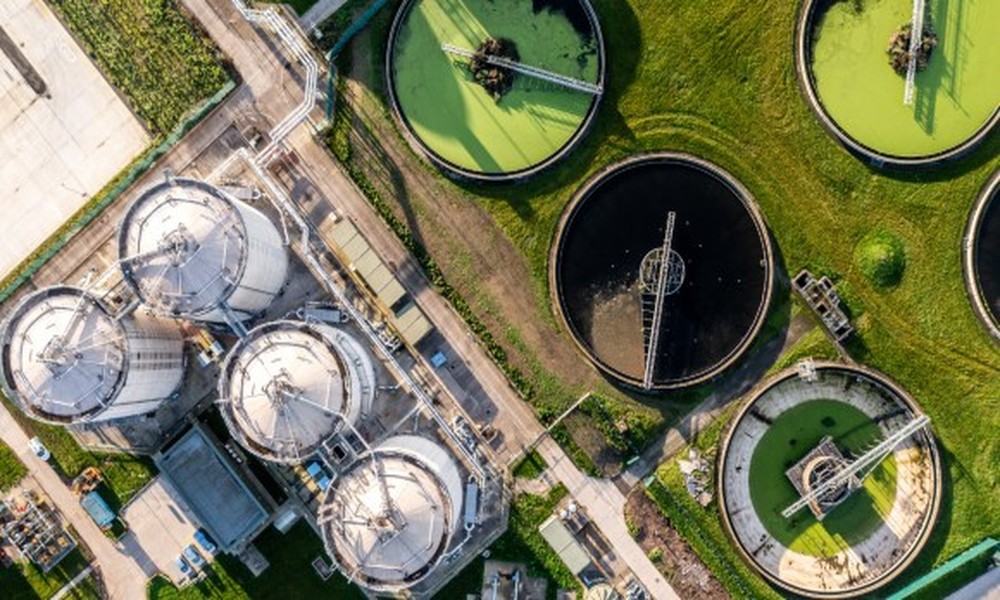
India’s rapid industrial growth has brought tremendous economic progress, but it has also posed significant environmental challenges. Among these, industrial wastewater pollution has become a pressing concern. Factories in sectors such as textiles, chemicals, pharmaceuticals, and food processing generate large volumes of wastewater containing toxic substances, heavy metals, and organic pollutants.
Traditional methods of managing this wastewater often rely heavily on chemical treatments, which can be expensive and environmentally damaging. This is where bioremediation wastewater treatment emerges as a sustainable and effective solution.
Understanding Bioremediation of Waste Water
Bioremediation of waste water is a process that employs natural organisms, mainly bacteria, fungi, and algae, to remove pollutants from water. These microorganisms metabolise harmful compounds, converting them into less toxic or harmless substances. Unlike conventional chemical methods, bioremediation leverages the natural ecosystem to detoxify water, reducing the need for synthetic waste water treatment chemicals.
The key advantage of bioremediation is its adaptability. Different industrial effluents contain varying contaminants, and specific microbial communities can be tailored to degrade pollutants efficiently. For instance, textile wastewater rich in dyes can be treated with fungi that break down complex colourants, while pharmaceutical effluents with antibiotics may require bacteria capable of metabolising such compounds.
Techniques in Bioremediation Wastewater Treatment
There are several proven techniques for bioremediation wastewater treatment, each suited to different industrial contexts:
1. Aerobic Treatment
Aerobic treatment involves the use of microorganisms that thrive in oxygen-rich environments. These microbes break down organic pollutants into carbon dioxide, water, and biomass. The most common implementation is the activated sludge process, where wastewater is mixed with a concentrated microbial culture in aeration tanks. The microbes consume organic matter efficiently, reducing biological oxygen demand (BOD) and chemical oxygen demand (COD) levels in the wastewater.
In India, aerobic treatment is widely applied in municipal and industrial wastewater plants, especially for industries producing high levels of biodegradable waste, such as food processing units. This method is eco-friendly and minimises the need for harsh waste water treatment chemicals.
2. Anaerobic Treatment
Anaerobic bioremediation relies on microorganisms that function in the absence of oxygen. These microbes decompose organic matter into methane, carbon dioxide, and water. Anaerobic treatment is particularly suitable for high-strength industrial wastewater with low oxygen levels, such as effluents from breweries or pulp and paper industries.
One major benefit of anaerobic treatment is energy generation. The methane produced can be captured and used as biogas, providing a renewable energy source for industrial operations. This technique represents a sustainable approach to bioremediation of waste water, particularly in regions of India where energy costs are a concern.
3. Phytoremediation
Phytoremediation uses plants to remove, degrade, or stabilise contaminants in wastewater. Aquatic plants like water hyacinth, duckweed, and cattails are effective in absorbing heavy metals and organic pollutants. The plants act as natural filters, and the harvested biomass can sometimes be processed for bioenergy.
In India, phytoremediation has gained popularity for treating effluents in smaller industrial units and rural wastewater systems. Its low operational cost and environmental safety make it a preferred choice, especially where conventional waste water treatment chemicals are not feasible.
4. Bioaugmentation
Bioaugmentation involves introducing specialised microbial strains into contaminated wastewater to accelerate pollutant degradation. These strains are selected for their ability to break down specific toxins, including persistent chemicals that conventional microbes cannot metabolise efficiently.
Industrial sectors dealing with hazardous chemicals, such as petrochemicals or pharmaceuticals, benefit from bioaugmentation. By enhancing the microbial population, companies can achieve faster treatment times and higher purification levels, making bioaugmentation a critical tool in modern bioremediation wastewater treatment.
5. Bioreactors
Bioreactors are engineered systems that optimise the conditions for microbial degradation of pollutants. They allow control over factors like temperature, pH, oxygen concentration, and nutrient supply, ensuring maximum efficiency of the bioremediation process.
India’s chemical and pharmaceutical industries are increasingly adopting bioreactors to meet stringent effluent standards. By integrating bioremediation of waste water with modern monitoring systems, bioreactors offer a high-tech, scalable solution for industrial wastewater management.
Reducing Dependence on Waste Water Treatment Chemicals
While waste water treatment chemicals like chlorine, alum, and coagulants are effective for quick treatment, excessive use can lead to secondary pollution, residual toxicity, and high operational costs. Bioremediation provides a natural alternative that reduces reliance on these chemicals. By using microorganisms and plants, industries can achieve compliance with environmental regulations while minimising their ecological footprint.
Moreover, bioremediation solutions often result in byproducts that are safer for disposal or can be reused, such as treated water for irrigation or methane for energy. This circular approach aligns with India’s growing focus on sustainable industrial practices and water conservation.
Conclusion
The journey from polluted industrial effluents to pure water requires innovative, environmentally responsible solutions. Bioremediation wastewater treatment offers a sustainable approach by harnessing nature’s own cleaning agents-microorganisms and plants-to tackle industrial pollution. Techniques such as aerobic and anaerobic treatment, phytoremediation, bioaugmentation, and bioreactors demonstrate that industrial wastewater can be managed effectively with minimal reliance on harsh waste water treatment chemicals.
For India, where industrial growth is rapidly increasing alongside environmental concerns, embracing bioremediation of waste water is not just a regulatory necessity but a commitment to a cleaner, healthier future. By integrating these techniques, industries can reduce pollution, save costs, and contribute to the sustainable management of water resources, ensuring that economic development does not come at the cost of environmental degradation.
